Get a free audit showing exactly why Google's hiding your business — and how to fix it.
The Map Pack — Google's top 3 local results — captures the majority of local PI search clicks. You don't need to beat Morgan & Morgan everywhere — you need to beat them in the area around your own office, where Google's proximity weighting works in your favor. That's the obtainable goal. We plot 49 points across a 10-mile grid so you see exactly where you stand.
The Jury seats 12 PI claimants — wrongful-death families, catastrophic-injury plaintiffs, Spanish-dominant callers — and tells you who signs and who walks. Section by section.
We test your firm against ChatGPT and Perplexity for the prompts injured people actually type. The new front door of local search.
Every search you don't show up for goes to a competitor. We identify the firm eating your lunch in your own backyard — by name — and show you exactly how they're winning. Reviews, rating, GBP completeness, where they out-rank you. Free with every scan.
You don't need to beat the giants everywhere. You need to beat them in the area around your own office — where Google's proximity weighting works in your favor and Morgan & Morgan's national authority can't override your physical location. That's where most firms can crack the Map Pack with a focused 90-day push.
One free scan answers all four. Tracking 1 firm or 40 — multi-office and network-wide views available.
Three businesses on Google's map. That's where the calls go. Everyone else fights for scraps.
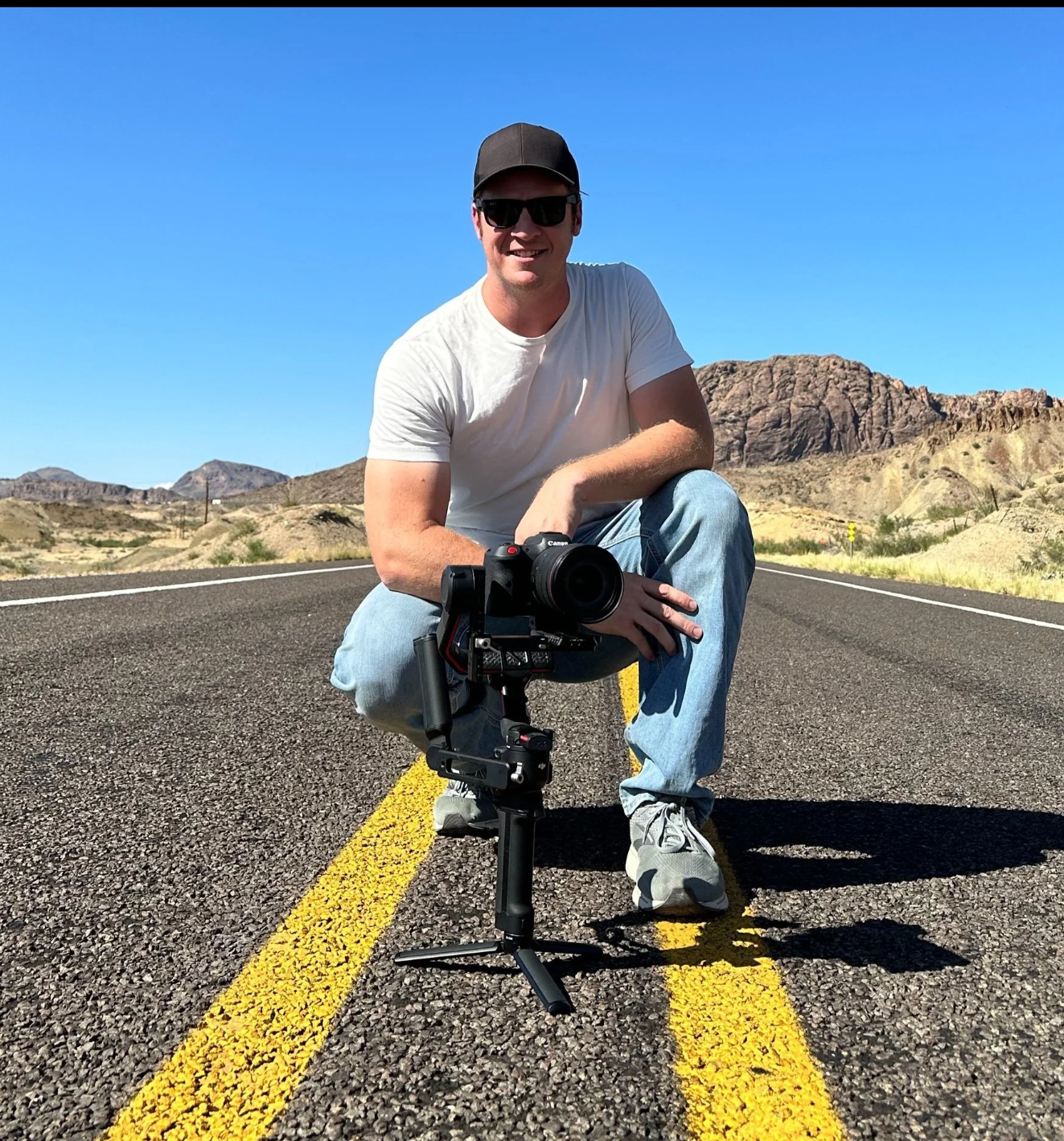
Fifteen years in legal marketing — five of them running GBP for one of the largest personal injury firms in Texas. Now he runs the same playbook for a small portfolio of firms who'd rather not run it themselves.
$1,500/mo per office. Month-to-month, no contracts. Multi-office firms get a quote.
Most marketing pitches answer "what does it cost." The right question is what does it cost in signed cases, and how does that compare to every other channel on your media plan. Here's the math, the goal-setting framework, and the timeline — all benchmarked against 2026 data, not vendor optimism.
Google rewrote the local rules in 2026. A profile pulling 2–5 fresh reviews per week now outranks competitors with 200 stale reviews and silence. Your old review count stopped helping you the day a competitor started a steady drip.
When a prospect asks Google's AI Mode "best PI lawyer near me," the summary card grounds its answer on recent posts, fresh photos, and Q&A. Static profiles aren't just losing rank — they're invisible to the surface that's increasingly the front door of local search.
Local pack positions 1–3 capture roughly 126% more traffic and 93% more actions than positions 4–10. Every month you sit at 4–7, a competitor at 1–3 is signing the cases you should be signing.
Position 4 isn't “close.” It's invisible.
Pause your Facebook spend, your leads stop the same hour. Pause your map-pack work, your rank holds for months. Each new review, each weekly post, each batch of photos is a deposit. Paid ads are rent. This is equity.
Stop comparing $1,500/month to a line item. Compare it to what you actually pay to acquire a signed PI case in 2026, by channel:
| Channel | Cost per signed PI case (2026) |
|---|---|
| Google Local Services Ads (LSA) | $685 – $950 |
| Google Search Ads (PPC) | $2,500 – $3,000 |
| TV / Billboard | $1,100 – $1,466 |
| Map pack (after profile is ranked) | ~$0 marginal cost per click |
Sources: MTAA internal performance data across 600+ PI firms (LSA, PPC), Borrell Associates 2026 PI media report (TV/billboard). Ranges represent 25th–75th percentile across markets we measure.
Done-for-you is $1,500/month. Break-even on the program is one extra signed PI case every 14 months. One. Most firms we put on this generate that within the first 90 days — because map pack clicks aren't lead-priced. They're free clicks at the highest-intent moment in the funnel.
Every market is different. A firm in Tulsa needs different numbers than a firm in Houston. These are the benchmarks Logan calibrates against your specific competitive set during the audit:
| Metric | 90 days | 6 months |
|---|---|---|
| Local pack position | 3 – 5 | 1 – 3 |
| Fresh reviews added | +15 – 25 | +40 – 60 |
| Review velocity | 2 – 5 / week | 2 – 5 / week |
| Average rating | 4.4+ | 4.5 – 4.7 |
| Profile actions (calls, directions) | +40 – 80% | +120 – 200% |
| AI-surface share | 20 – 30% | 30%+ |
SEO timelines on blue-link organic are 12–18 months. Map pack is faster because the algorithm weighs recency and engagement, not domain age. That's why this beats traditional SEO for any local firm in 2026.
The honest version: if you're a firm with an existing book of business and a working intake process, Platinum Profile is the highest-ROI marketing channel you're not running. One extra signed case in 14 months and the entire program is paid for. Most firms hit that in 60 days.
GBP isn't an SEO task. It's a weekly operating rhythm. Firms that treat it that way win. The ones that don't, don't.— Logan Jack, Platinum Profile